Bali Driver, Bali Driver Seminyak, Sunset Road Bali, Seminyak Activities, Seminyak Driver, Seminyak road, Seminyak Taxi, seminyak tour, Seminyak Tours, Seminyak Transport, thing's to do in seminyak

seminyak to kuta Beach


Kuta_beach
Kuta beeach

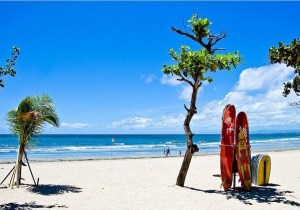
Seminyak to Kuta Beach is take us about 10 minutes drive included traffic on busy main town seminyak , Kuta Beach is located near Bali’s Ngurah Rai Airport, only 15 minutes’ drive by car from the airport. It is the most famous beach resort on the island. Kuta Beach is the bustling area with the most tourists

Kuta Beach Bali is located near Bali’s Ngurah Rai Airport, only 15 minutes’ drive by car from the airport. It is the most famous beach resort on the island. Kuta Beach is the bustling area with the most tourists in all over Bali. In the past, it was only a very small village. Nowadays, it has developed into a prosperous tourist resort. On the beach, there are many peddlers along the street, selling various local specialties, such as crafts, T-shirts, beach clothes and accessories. As the beach is windy with high waves, it is not suitable for boating or swimming there. But it is an ideal place for wind surfing, which is favored by the young who look for excitement. It is also an ideal place for watching the beautiful sunset. At night, there are local Balinese singing and dancing, performing especially for tourists.

Kuta Beach is just like a holiday paradise with beautiful clean beach, numerous shops, bars, restaurants and shopping centers. Kuta Beach is not only a unique scenic spot for sun bathing and water activities, but also a perfect place for watching sunset. The commercial area in the center of Kuta Square is a new and modern shopping skyscraper.

Kuta Beach History

Since the 18th century Kuta has served as the entry for foreigners visiting southern Bali. In the 1830s Kuta was a thriving slave market, attracting a wide variety of inter­national ‘lowlifes’. Since its rediscovery by hippies and surfers in the 1960s, Kuta and Legian have expanded so rapidly that the district is now one of the busiest tourist areas in the world. At three hundred year ago, in this place had been built a Konco (Buddhist Temple) located beside of Tukad Mati ( Dead River) where it river can be navigable at that time. The boat steps into the hinterland of Kuta, so that Kuta is a port trade. Mad Lange is a merchant from Denmark in 19 century had built its trade station in the river periph­ery. During living in Bali, he often becomes the medium between king of Bali and Dutch. Mad Lange has mysteriously died and his grave is located inside of Konco ( Buddhist Temple ) right in the river periphery. Kuta is quiet fisherman countryside in the past, but now it has been turned into the hilarious town and it is completed by post office, po­lice office, market, pharmacy, photo center, and shop. There are a lot of hotels which are designed luxury and comfortable set in a long side of white sandy beach of Kuta .

Kuta Beach Night Life

Party central, Kuta at night refers to the area extending about 7km north of the original village of Kuta. This area now includes Legian, Seminyak and even Basangkasa. The Kuta area is the epicenter of Balis nightlife. The majority of Bali’s better entertainment places offer anything and everything a ‘night owl’ would want. Located at the center of the original village are Kuta’s many open-air pubs and discos.

Entrance to bars is usually free with special drinks promotions and Happy Hours from 6pm to 9pm, and sometimes even longer. Jalan Legian and Jalan Padma have the biggest concentration of watering holes. Take up the option of joining surfers to guz­zle beer, play pool and watch surfing videos at Tubes Cafe. Or drop by the eye-catching and uniquely sailship-shaped Bounty Res­taurant I, which sways to the music of its dance floor till dawn. Other happening out­lets in town are the trendy 66 Club (but say ‘double six’) and hyper chic Gado Gado. For Kuta’s magnetic live music, The Maccaroni Club is irresistible.

One of Bali’s latest and most extraor­dinary; this place jazzes it up every Sunday from 10.30pm and invites guests to jam along on Friday nights. For a rare and special combination of Balinese dancing and rock bands near the beach, head straight for the Zero Six in Tuban while the new Hard Rock Cafe draws the crowds with live music and pricey drinks. Other live music spots include the Aussie-style ‘pubs’ along Jalan Melasti and the semi-submerged Joni Sunken Bar Restaurant. Classier up-market hotels like the Bali Padma Hotel on Legian beach offer more relaxed entertainment.
Bali Driver, Bali Driver Seminyak, Sunset Road Bali, Seminyak Activities, Seminyak Driver, Seminyak road, Seminyak Taxi, seminyak tour, Seminyak Tours, Seminyak Transport, thing's to do in seminyak

Seminyak to Batuan


Batuan_Painting
Batuan painting

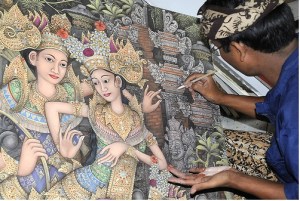
Seminyak to Batuan Village is take us about 1 Hour drive direct journey , Batuan village a famous Balinese Artwork / Balinese paintings and as such a famous Bali tourism destinations for Fine Art, located about 7 kilometers north of Denpasar about and 10 kilometers south of Ubud

Batuan Village is a famous Balinese Artwork / Balinese paintings and as such a famous Bali tourism destinations, located about 7 kilometers north of Denpasar about and 10 kilometers south of Ubud, it is popular with center of Bali arts, and now it’s known for its dancing, wood panel carving and Bali paintings ubud. We have lots of tours to Batuan and Ubud painters – where you’ll see the beautiful paintings and they have Bali paintings for sale too.

Balinese traditional painting

was restricted to ceremony aspect such as religious part, calendar and leather puppet (balinese: wayang). This periode was before 1920 and called as Kamasan orWayang Style. Wayang itself is two dimentional drawing that characterized an hindu-buddhism epic such as Mahabarata and Ramayana. The paintings were used on temple or palace as ornament. They ilustrated many stories about religion and bali life. Ussually it is a pieces of paintings that tell a stories. The name of kamasan style itself was take from the village name where it originated. The material used in kamasan style is also traditional material from mineral and vegetables or plant resources. Also they use white bone, soot, or stone. Bamboo used as tool to painting and the media ( canvas ) ussually traditional canvas from wood, tree leaf, or cloth. In 1920, there are western artist visited bali. This has change the rule on balinese art painting. An introduce of new canvas from western material, inks and paint, has change the style into modern art painting. The year has start a new way of balinese modern art painting. More artists come to bali has influence traditional style that was restricted to ceremony aspect.

Batuan village wasn’t influenced by the western as they were in Ubud. The Batuan paintings were often dark, crowded representations of either legendary scenes or themes from daily life, freakish animal monsters, and witches accosted people. The Batuan Village paintings were gradations of black to white ink washes laid over most of the surface, so as to create an atmosphere of darkness and gloom. In the later years, the designs covered the entire space, which often contributed to the crowded nature of these Balinese paintings.

The Batuan Village artisans

Are known for their Balinese Artwork. Leading artists of the 1930s members of leading Brahman families, including Ida Bagus Made Togog, I Dewa Nyoman Mura (1877-1950) and I Dewa Putu Kebes (1874-1962), which were traditional Wayang-style Balinese painters for temples’ ceremonial textiles.

Story Of Batuan Village Painting Art

For over a thousand years Batuan has been a village of Balinese Artwork and Bali handicrafts. Batuan village has a thousand year old history in accordance with the recorded history – begins in A.D. 1022, with an inscription that is housed in the main village temple, Pura Desa Batuan/Batuan Village Temple. In the Age of Warmadewa Dynasty in Bali, Desa Batuan / Batuan Village had to be there. Batuan village eventually came to be called Batuan, from the word of Batu / Rock, because – in that time – in this region is a rocky area (the famous Balinese sand stones are still produced here in northern of Batuan), then because of daily changes in the pronunciation then more popularly known as Batuan Village.

Bali Driver, Bali Driver Seminyak, Sunset Road Bali, Seminyak Activities, Seminyak Driver, Seminyak road, Seminyak Taxi, seminyak tour, Seminyak Tours, Seminyak Transport, thing's to do in seminyak

Seminyak to Toh Pati Village


tohpati_village_bali
toh pati village

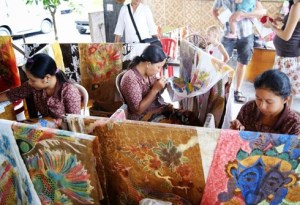
Seminyak to Tohpati Village is take us about 1 Hour drive , and Tohpati Village is just about 12 kilometers from Kuta, and famous for Bali’s Batik Wand Weaving Center. Batik is a traditional form of painting fabric. is popluar place to enjoy visiting Batik art with different color

Toh Pati Village is just about 12 kilometers from Kuta, and famous for Bali’s Batik Wand Weaving Center. Batik is a traditional form of painting fabric. They painstakingly use dots and lines from wax to decorate the cloth. It is very impressive to watch. It would be impossible to visit or live in Indonesia and not be exposed to one of the country’s most highly developed art forms, batik.

Tohpati Village is a batik home industry, you will undoubtedly experience an overwhelming stimulation of the senses – due to the many colors, patterns and the actual smell of batik. Only through repeated visits and a bit of study will the types of designs and their origins become apparent.

History Batik :

Evidence of early examples of batik have been found in the Far East, Middle East, Central Asia and India from over 2000 years ago. It is conceivable that these areas developed independently, without the influence from trade or cultural exchanges. However, it is more likely that the craft spread from Asia to the islands of the Malay Archipelago and west to the Middle East through the caravan route. Batik was practised in China as early as the Sui Dynasty (AD 581-618). These were silk batiks and these have also been discovered in Nara, Japan in the form of screens and ascribed to the Nara period (AD 710-794). It is probable that these were made by Chinese artists. They are decorated with trees, animals, flute players, hunting scenes and stylised mountains.

No evidence of very old cotton batiks have been found in India but frescoes in the Ajunta caves depict head wraps and garments which could well have been batiks. In Java and Bali temple ruins contain figures whose garments are patterned in a manner suggestive of batik. By 1677 there is evidence of a considerable export trade, mostly on silk from China to Java, Sumatra, Persia and Hindustan. In Egypt linen and occasionally woollen fabrics have been excavated bearing white patterns on a blue ground and are the oldest known and date from the 5th century A.D. They were made in Egypt, possibly Syria. In central Africa resist dyeing using cassava and rice paste has existed for centuries in the Yoruba tribe of Southern Nigeria and Senegal.

Indonesia, most particularly the island of Java, is the area where batik has reached the greatest peak of accomplishment. The Dutch brought Indonesian craftsmen to teach the craft to Dutch warders in several factories in Holland from 1835. The Swiss produced imitation batik in the early 1940s. A wax block form of printing was developed in Java using a cap.

By the early 1900s the Germans had developed mass production of batiks. There are many examples of this form of batik as well as hand-produced work in many parts of the world today. Computerisation of batik techniques is a very recent development.

Bali Driver, Bali Driver Seminyak, Sunset Road Bali, Seminyak Activities, Seminyak Driver, Seminyak road, Seminyak Taxi, seminyak tour, Seminyak Tours, Seminyak Transport, thing's to do in seminyak

Seminyak to Celuk Village


Celuk_village_silver_art
Celuk Village

Seminyak to Celuk village is take us about 1 hour drive and Celuk Village is a traditional village located near to Ubud in the Gianyer Regency where you can appreciate the mountain culture and Celuk village is famous with beautiful gold and silver crafting. One of the best tourist destination

is a traditional village located near to Ubud in the Gianyer Regency where you can appreciate the mountain culture which in many ways is similar to that of the traditional areas of Ubud and the other surrounding villages except for one major factor, Celuk Village is famous for the incredible gold and silver handicrafts which are available around this area for very low prices.

In the Sukawati area you will find that the craftsmen are of a very high standard and you can barter over these goods or even buy in wholesale capacity. As well as the shopping opportunities there is a lot to see around Celuk Village and the culture of the area is fascinating as well as relaxing to see where the pace of life is slow and you will find some interesting characters as well as plenty of place to try the local dishes and international dinning. There are some other attractions as well as in the area as well as a number of facilities and hotels which are usually top end or midrange boutique little places hidden away in the village.

Location Celuk Village

Approximately, the distance separating Celuk Vilage and Denpasar is 8 km. It’s located right after Batubulan Village which you’re bound to pass on the way to Ubud. The famous Sukowati Traditional Market is also near this village, so it’s always a good idea to stop at Celuk after a whole day shopping in the market. Simply ask local vendors in the market about the direction to Celuk Village; they will be more than happy to guide you there. The neighborhood stands out from the surrounding, thanks to gold and silver works gallery trimming both sides of the road.

History of Celuk Village

In the past, the dwellers of Celuk Village were mostly farmers. Rumors have it that there were only three families who belonged to the caste of Pande that pioneered this industry. This caste is well-known for their specialty in manipulating all kinds of metals to create accessories for Hindu’s prayers. As tourism was becoming main commodity in Bali, more and more villagers left their farm behind and began to learn to craft silver and gold. Specifically, in 1976, almost all of the villagers had become silver smiths and Celuk Village has been popular with its beautiful jewelry and other silver handicrafts since then.

What to Do in Celuk Village

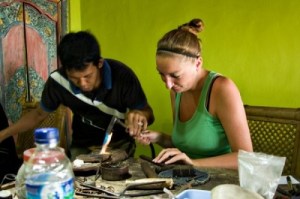
As you enter the neighborhood, you’re going to feel as if you were in a jewelry exhibition. On ether side of the road are established many art shops showcasing their finest works inside a glass display case. You can take a closer look at them to appreciate it and buy some if you really like it. Most vendors and smiths usually accept custom made jewelries but you can always ask them to make sure. Most of them are used to dealing with foreign tourists so their English should be fair enough to promote a conversation.If you’re confident enough, you may ask their permission to forge and shape your own jewelries. Some of them might allow you, even guide you how to use the tools properly. Be careful, though, because molding silvers and golds involves fire and fire can burn your fingers pretty badly, not to say your money as well.


Bali Driver, Bali Driver Seminyak, Sunset Road Bali, Seminyak Activities, Seminyak Driver, Seminyak road, Seminyak Taxi, seminyak tour, Seminyak Tours, Seminyak Transport, thing's to do in seminyak

Seminyak to Mas Village


mas_Village
Wood Carving Mas Village Ubud

Seminyak to Mas Village Ubud is take us about 1 Hour and 30 minutes drive, Mas Village is one of villages in Bali fundamentally identified as an artistic countryside by focusing in artistic of wood carving. Mas Village is located in Ubud, become tourist destination to visit for wood carving art

Is one of villages in Bali fundamentally identified as an artistic countryside by focusing in artistic of wood carving. Mas Village is located in Ubud sub district and Gianyar Regency, east part of Bali. It owns the typical style of wood carving art by placing forward the distinguish synergy the humanism and naturalism. The village’s popularity as an wood carving art village is famous in the national and world level which is not forgetting from the highness name of some maestros which has borne and found the spirit (taksu) and soul. The famous wood carvers here are the late Ida Bagus Nyana and son Ida Bagus Tilem. Along the road we can find a lot of art shops that sell many kind of wood carvings. On the left or on the right of the road we can also see rice field, so we can make conclusion that the live of Mas people not only as wood carvers but also as farmers. A lot of visitors come to this village every day, they want to see or to bau wood carvings and to see the people there, how to make wood carvings.

Mas Village is Place to visit in Bali

This Artistic countryside owns the long history root. The result of wood carving art in this village owns the immeasurable and wide dimension like idol for the devoting (arca idol), representative dimension of everyday Balinese social society life (farmer, fisherman, worker, intellectual, merchant etc), the abstract dimension as existing of actor imagination which is listening carefully of reality, dynamics and life philosophy. The villagers are same as villagers at other tourism countryside in Bali that have also experienced the transformation from agrarian society to the crafting society. Even nowadays, it is continued to service society from commerce service until levying service of the souvenir for overseas and domestic tourist.

Location Mas Village :

Mas Village strategically located in the main road from Denpasar to Ubud and it can be reached from various of angle. It is about 15 km easterly go to the majors road to Ubud from Denpasar town. If you wish to go to this place from Denpasar, the starting spandrel points step into Mas Village is Sakah, where a big baby idol monumentally existing in the middle of road. The Baby idol is a symbol and representative of human being life early which is believed by local residents with full of philosophic value, religious and dynamism.

Bali Driver, Bali Driver Seminyak, Sunset Road Bali, Seminyak Activities, Seminyak Driver, Seminyak road, Seminyak Taxi, seminyak tour, Seminyak Tours, Seminyak Transport, thing's to do in seminyak

Seminyak to Bukit Jambul


Bukit_jambul_Bali
Bukit Jambul

Seminyak to Bukit jambul  is take us about 2 hours drive and The name of Bukit Jambul Rice Terrace was firstly given during the Dutch invasion in Indonesia by a tourist, who was inspired by a high hill standing on the south, is great place to visit after visiting besakih temple.

the name of Bukit Jambul was given during the Dutch invasion in Indonesia by a tourist, who was inspired by a high hill standing on the south of the main road connecting Klungkung regency and Besakih of Karangasem regency. There is a Hindu Temple called Pura Pucak Sari on the top of the hill, which is surrounded by big trees. Below the temple complex there is a stunning panorama of rice fields. This makes the trees look like a tufting hair from a distance

Bukit Jambul Rice Terrace is renown as an outstanding natural tourist destination due to the harmonious combination of hilly land, rice fields, valleys and the beautiful sea panorama in a distance. From high land, we will be able to witness the beauty of the nature beneath. hill where there is a large banyan tree growing on the top of hill like crest so that the local people give it name asBukit Jambul Rice Terrace where Bukit is means hill, meanwhile Jambul is means crest. This place become famous because it was inspired by the most amazing scenery with rice terrace, winding road underneath and palm trees stretching to the sea. It is situated in the plateau area that is always covered by cool temperatures that make it as an

Bukit Jambul Rice Terrace is Tourist Destination in East Bali

Bukit Jambul Rice Terrace is one of the nature tourist destinations that very interesting to visit in Karangasem Regency that is located 1,5 km from Denpasar City. Now, this place is very famous and it was a stop point on Besakih Temple Tour Programs. This place is also supported by the existing of local restaurants offering best selection of Indonesian and international menus for tourists who visit it. The tourist will be pampered by the beautiful scenery with amazing panorama including the fresh tropical atmosphere sweep the entire area.

Location Bukit Jambul Rice Terrace :

Bukit Jambul Rice Terrace is located at Pesaban traditional village, Nongan village, Rendang district. It is approximately 8 kms from Klungkung regency to the north, and about 51 kms from Denpasar or 15 kms from Besakih. Take about 1,5 hours drive away using vehicles or 30 minutes to Besakih Temple that is famous called by Mother Temple. When we take the direction from Kerta Gosa, we just take 30 minutes away to the north side until we found the windy road. So, this place is very easy to be located because it is located in the strategic location just beside of the main road from Klungkung to Besakih Temple.

Facility at Bukit Jambul Rice Terrace :

This area is facilitated with food stalls or “warung” and also small restaurants, with a quite large parking lot.

Bali Driver, Bali Driver Seminyak, Sunset Road Bali, Seminyak Activities, Seminyak Driver, Seminyak road, Seminyak Taxi, seminyak tour, Seminyak Tours, Seminyak Transport, thing's to do in seminyak

Seminyak to Pupuan Rice Terrace


rice_terrace
Rice terrace

Seminyak to Pupuan Rice Terrace is take us about 2 hours drive its beautiful rice terrace located in the western part of Bali, a place to fill your eyes with awesome memories of great landscape accompanied by no one other than the friendly local farmers

Seminyak to Pupuan rice terrace is will one of the great journey , is beautiful rice terrace located in the western part of Bali, a place to fill your eyes with awesome memories of great landscape accompanied by no one other than the friendly local farmers. Pupuan Rice Terrace is best enjoyed early in the morning or late in the afternoon on a clear day. When rainy, fog usually follows the rain and obscures the whole village. With the arrival of the planting season, the local cultivators start plowing their fields adding traditional culture to the scenery.

The cultivators have retained their old way of cultivating their land with the help of buffalo. As padi grows profusely in the area, a deep green covers the landscape, resembling a vast emerald rug laid on the slopes of the hills. The cultivators of these crops share an intimate relationship with nature. At harvest time, the cultivators cut the paddy with traditional equipment called anggapan. Standing in rows, they sing while they glean their harvest.

Bali Driver, Bali Driver Seminyak, Sunset Road Bali, Seminyak Activities, Seminyak Driver, Seminyak Taxi, Seminyak Tours, thing's to do in seminyak

Seminyak to Jagat Natha Temple


jagat_natha_temple
jagat-natha temple

Visiting Pura Jagat Natha from Seminyak will take us about 30 minutes drive and  it is a beautiful Hindu temple situated in the center of Denpasar City that is the biggest Hindu temple in the capital city of Bali Province. Jagat natha Temple built in east of Puputan Badung square garden is a public shrine to worship for Ida Sang Hyang Widhi Wasa (call for Hindu god). It is strategically located on Major Wisnu Street that is very easy reached from any directions as well as famous temple and appointed as a tourist destination in Denpasar City. Jagat natha Temple have many visited by the Hindu people especially during the Hindu Holiday season including full moon.

Jagat Natha Temple Philosophy

Name of Jagat Natha Temple is taken from special name which is not similar with other familiar temples in Bali taken from the location where the temple is situated such as Besakih Temple, Ulundanu Batur Temple, Lempuyang Luhur Temple, Luhur Andakasa Temple, Puncak Mangu Temple, etc. Among other famous Hindu Temple in Bali, the first ceremony held at Jagat natha Temple is also similar with other temples by conducting small ceremony procession. The unique of this temple is not having the Pengemong (the group of people/organization/team who support, keep, maintains the temple) like other temples in Bali, but it is only own the small volunteers and people who worship at this temple. At the beginning, this temple is managed by temple development committee of Jagat natha Temple and afterward managed by The Hindu Holiday Committee which is institutionally stipulated Badung Regency Government decree. But nowadays, Jagat natha Temple has been taken over by the government of Denpasar City.

When we look from the exposure of Jagat natha Temple Concept, it can be concluded the elements and structures of Jagat Natha Temple set in the main temple area (Utama Mandala) those are details as follows:
1. Padmasana
Padmasana is a main building of the temple as a symbol of a seat of Sang Hyang Widhi (god). The word of Padmasana is derived from the Sanskrit, old Javanese and laterally means a throne or a seat of god in lotus shape. In the concept of Arcanam and Citra-Lekha, lotus flower is a plant secret as a seat or throne for the god or the authority in many different forms which is famous called Istadewata of god and goodness.
2. Fish Pond surrounding of Padmasana
If we look the physical structure of the ancient temples in Bali, usually set a Titi Ugal-agil (bridge made from wooden rods) with the pond under it at the entrance gate. Please see and compare the Titi Ugal-Agil at Agung Taro Temple located in Taro Village and Taman Sari Temple located in Klungkung town. The function of Titi Ugal-Agil is to purify every Hindu people who entering the main temple area.
3. Twin Canopies
The twin canopies are set in front of Padmasana and the canopies building at temples in Bali Island generally has function to put the embodiment of god or Gagaluh on the procession of ceremony (Pawedalan). However, the Pawedalan at Jagatnatha Temple has function as an altar to put the offerings especially on praying procession of Balinese Hindu Holyday such as full moon, dark moon, Galungan and Kuningan Days, Saraswati Day, Siwaratri Day and other important days.
4. Altar of Sang Hyang Anantaboga
This altar is located in north part of main temple complex.
5. The well for taking Holy Water or Tirtha
The well is set in north part of main temple complex.
6. Bale Paselang
If there is not specific big ceremony held in this temple, Bale Paselang is usually used to keep the offerings and sometimes used as a place for Mesanti (reading and singing the holy bible which is famous called Geguritan or Kekawin). If there are plenty of Hindu people do for praying, then this Bale Paselang is used as a resting place.
7. Perantenan/Kitchen
It is a building has multi functions where the context of kitchen activities, it is not has function on ceremony but it is also accordance with other religious activities at this temple.
8. Gudang/Store
This store is functioning to keep the gamelan and others temple belonging items.
9. Bale Gong
Bale Gong is a building to beat the gamelan during the ceremony procession and it is sometime also used as a rest place for Hindu people.
10. Apit Surang / Entrance Gate
In the west part of the main temple complex area from north to the south, it had been built some of the buildings as follows:
1. Bale Kulkul is a beautiful tower building to hang the wooden bell
2.Apit Surang Kiwe is left entrance gate
3.Gelung Kuri is a center entrance gate
4.Apit Surang Tengen is right entrance gate
5.Dakam Karang Althar (Tugu)
6.Bale Bengong is a canopy of rest
7.Bale Pawedan is a canopy for Hindu Priest reciting the mantra

Bali Driver, Bali Driver Seminyak, Sunset Road Bali, Seminyak Activities, Seminyak Driver, Seminyak road, Seminyak Taxi, seminyak tour, Seminyak Tours, Seminyak Transport, thing's to do in seminyak

Seminyak to Besakih Temple


Besakih_temple
Besakih

Seminyak to Besakih Temple is take us about 2 hour drive and it is the biggest Hindu temple in Bali which the local people call Pura Besakih. It owns beautiful view from the top of temple area where we can see the wide nature panorama until to the ocean, the ticket in Besakih temple is 20.000 IDR

Besakih Temple is the biggest Hindu temple in Bali which the local people call Pura Besakih. It owns beautiful view from the top of temple area where we can see the wide nature panorama until to the ocean so that way this temple is many visited by tourists from all over the world. Besakih Temple is located in Besakih countryside, Rendang sub district, Karangasem regency, east part of the island. It is located in southwest side bevel of mount Agung, the biggest mounts in Bali. It is because pursuant to Agung Mount confidence is holiest and highest mount in Bali Island.

Bali’s “mother temple”,Besakih temple, is over 900 metres up the slopes of Gunung Agung. It has been regarded as a holy place since pre-historic times in Bali. The first recorded mention of its existence is from an inscription that dates from 1007 A.D. Since the Gelgel dynasty of the fifteenth century it has been regarded as a central, holy temple for the entire island.

All the allegiances of the Balinese people come together at Besakih. Each regency has its own temple within the over-all compound, as do each of the caste groups. There is a total of 18 separate sanctuaries. The three main temples are : Pura Penataran Agung, Dedicated to Sang Hyang Widi Wasa : Pura Kiduling Kreteg, dedicated to Brahma; and Pura Batu Madeg, dedicated to Wisnu. To the Balinese a visit to the temple sanctuaries at Besakih temple is a special pilgrimage. Each temple has its own odalan, or anniversary celebration, and on the full moon of the Balinese month “Kedasa” the entire compound of Besakih celebrates the visit of the gods, with an enormous throng of visiting pilgrims.


The Besakih’s name is come from the word of Basuki, the old language from Sanskrit Wasuki, and then it become the Ancient Java Language. In this Sanskrit, the Basuki means congratulation. In mythology of Samudramanthana has mentioned that Basuki is a dragon that twines the Mount Mandara. The omission has come from tradition megalithic which had been indicated that it had to be sanctified place. It seems, the Besakih temple is coming from very old era which is far before the existence of Hinduism influence. Hereinafter, an Ancient Bali king of Sri Kesari Warmadewa found the Merajan Selonding Temple in this temple complex area. He also commands to build the Blanjong Monument that is located in Sanur Village. The Besakih Temple complex is built pursuant to cosmos balance. It is based on the nature conception which is disseminating the fundamental temple complex that is arranged to pursuant of the way direction. So, this building can deputize nature as symbolic of the world balance existence.

As we familiarize, that the point direction way like East, South, West, North, and middle as center point and each direction is named by Mandala. In Hindu philosophy, Panca Dewata is manifestation of Siwa God. Like Penataran Agung Temple as center, we find in its courtyard conception show the solidarity conception between the original Indonesia culture namely tradition megalithic in form of Punden Berundak-undak with the Hinduism concept. The ancient omissions which is existing in Besakih Temple complex can be classified into 2 types those are omission pertained by megalithic tradition and classic era. Besakih Temple beside as the altar for Hindu people in Bali, it is also as tourist destination which is a lot of visited by tourists.

Bali Driver, Bali Driver Seminyak, Sunset Road Bali, Seminyak Activities, Seminyak Driver, Seminyak road, Seminyak Taxi, seminyak tour, Seminyak Tours, Seminyak Transport, thing's to do in seminyak

Seminyak to GWK


Bali_gwk_gruda_wisnu_kencana
Garuda Wisnu Kencana

Seminyak to GWK or Garuda Wisnu Kencana (GWK) Bali is located in the southern Badung area. is an area with 240 hectares of land. There are Supporting facilities that you can enjoy like Lotus Pond, Festival Park, Amphitheater is take us about 1 Hour to get here from seminyak  and also the ticket is 100.000 IDR per person to visiting Garuda Wisnu Kencana Cultural Park

Seminyak to GWK is tak us about 1 Hour drive and is located in the southern Badung area about 20 minutes from Kuta. That’s very easy to access it from the Ngurah Rai Airport and hotels in Nusa Dua. Garuda Wisnu Kencana (GWK) Bali cultural park is located in the hills of limestone and rock, exactly over the hill of Nusa Dua Pecatu-Badung regency that about 40 kilometers south of Denpasar City Bali, it was approximately 30 minutes drive from Ngurah Rai when using a motor vehicle.

Landscapes Garuda Wisnu Kencana

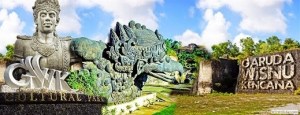
Bali Garuda Wisnu Kencana Cultural Park is an area with 240 hectares of land. There are Supporting facilities that you can enjoy like Lotus Pond, Festival Park, Amphitheater, Street Theater, Exhibition Hall, and Jendela Bali The Panoramic Resto and souvenir shop as well. There are many cultural performances every day at GWK. Barong Dance Performance  is the most popular show in there and also performances of traditional Balinese music. Various uniqueness and beauty of Bali are well in view of the history, traditions, cultural customs, arts and panorama attraction. Of many attractions in Bali one of them is Garuda Wisnu Kencana that abbreviated. Garuda Wisnu Kencana (GWK) Bali cultural park is the window of island arts and culture against the backdrop of nature and an amazing panorama, making one of the main objectives for a variety of performing arts, exhibitions, conferences or religious visits.

Story of Garuda Wisnu Kencana

Here is the story of Garuda Wisnu Kencana which follow the birth and deeds of the mythical bird Garudaas quoted from Wikipedia. You can find this story carved into stone relief, placed in GWK Street Theater.

The story of Garuda birth and deeds is told in the first book of the great epic Mahabharata. According to the epic, when Garuda first burst forth from his egg, he appeared as a raging inferno equal to the cosmic conflagration that consumes the world at the end of every age. Frightened, the gods begged him for mercy. Garuda, hearing their plea, reduced himself in size and energy. Garuda’s father was the creator-rishi Kasyapa. His mother was Vinata, whose sister was Kadru, the mother of serpents. One day, Vinata entered into and lost a foolish bet, as a result of which she became enslaved to her sister. Mahabharata mentions about a bet between sisters and wives of Kashyapa, Vinata and Kadru, about the colour of Uchchaihshravas‘s tail. While Vinata, the mother of Garuda and Aruna, said it was white, Kadru said it was black. The loser would have to serve as a servant of the winner. Kadru told her sons, Naga (“serpent”), to cover the tail of the horse and thus make it appear as black in colour and thus, Kadru won. Resolving to release his mother from this state of bondage, Garuda approached the serpents and asked them what it would take to purchase her freedom. Their reply was that Garuda would have to bring them the elixir of immortality, also called amrita. It was a tall order. The amrita at that time found itself in the possession of the gods, who guarded it jealously, since it was the source of their immortality. They had ringed the elixir with a massive fire that covered the sky. They had blocked the way to the elixir with a fierce mechanical contraption of sharp rotating blades. And finally, they had stationed two gigantic poisonous snakes next to the elixir as deadly guardians. Undaunted, Garuda hastened toward the abode of the gods intent on robbing them of their treasure. Knowing of his design, the gods met him in full battle-array. Garuda, however, defeated the entire host and scattered them in all directions. Taking the water of many rivers into his mouth, he extinguished the protective fire the gods had thrown up. Reducing his size, he crept past the rotating blades of their murderous machine. And finally, he mangled the two gigantic serpents they had posted as guards. Taking the elixir into his mouth without swallowing it, he launched again into the air and headed toward the eagerly waiting serpents.
En route, he encountered Vishnu. Rather than fight, the two exchanged promises. Vishnu promised Garuda the gift of immortality even without drinking from the elixir, and Garuda promised to become Vishnu’s mount.
Flying onward, he met Indra the god of the sky. Another exchange of promises occurred. Garuda promised that once he had delivered the elixir, thus fulfilling the request of the serpents, he would make it possible for Indra to regain possession of the elixir and to take it back to the gods. Indra in turn promised Garuda the serpents as food. At long last, Garuda alighted in front of the waiting serpents. Placing the elixir on the grass, and thereby liberating his mother Vinata from her servitude, he urged the serpents to perform their religious ablutions before consuming it. As they hurried off to do so, Indra swooped in to make off with the elixir.
From that day onward, Garuda was the ally of the gods and the trusty mount of Vishnu, as well as the implacable enemy of snakes, upon whom he preyed at every opportunity.

This area is the first real rock and steep sloping then transformed into the beautiful and amazing with charming architecture. Implementation of the process by means Bukit cut into giant pillars like building in Egypt but still with the feel of Bali. From the Garuda Wisnu Kencana (GWK) Bali, we can see how beautiful Kuta Beach, Jimbaran, Bali’s Ngurah Rai Airport and the Port of Benoa.

The area of Garuda Wisnu Kencana (GWK) Bali Cultural Park planned to be established a landmark or Bali mascot, in the form of a giant statue, that is a statue of Lord Vishnu riding a Garuda bird. This statue was projected to tie layout with visibility up to 20 km so that it can be seen from Kuta and Nusa Dua.

Garuda Wisnu Kencana Statue is a symbol of the mission of saving the environment and the world. The statue was made from a mixture of copper and steel weighing 4,000 tons with a height of 75 meters and a width of 60 meters, which was created by sculptor Bali, I Nyoman Nuarta, if manufacturing is complete, can match the Statue of Liberty in United States.

Garuda Wisnu Kencana (GWK) Bali Facilities :

  • Lotus Pond surrounded by stone pillars and rock background Garuda bird statue’s head with a capacity of 7500 people made the area is ideal for a variety of grand performances, both national / international.
  • Plaza Wisnu art shop selling various Balinese handicrafts.
  • Exhibition Hall space to hold exhibitions.
  • Amphitheatre with a capacity of 800 seats and first-class acoustic arrangement is performance art.
  • Street Theatre is an outdoor stage for music concerts, fashion shows and other performances.
  • “Jendela Bali” Restaurant with panoramic of  Jimbaran Beach.

When entering Garuda Wisnu Kencana (GWK) Bali  area you will be encountered several pieces of natural rock pillars wich high 25 feet are standing firm. Not far from Lord Vishnu statue, there is a sacred spring called Parahyangan Somaka Giri, why say sacred, because the water is coming out of the barren limestone hills. The water is believed to cure various diseases, also used as requirements to summon rain.